Learning disabilities are often lurking under the surface, invisible to the parents, teachers, and the child. They are the hidden learning problems.
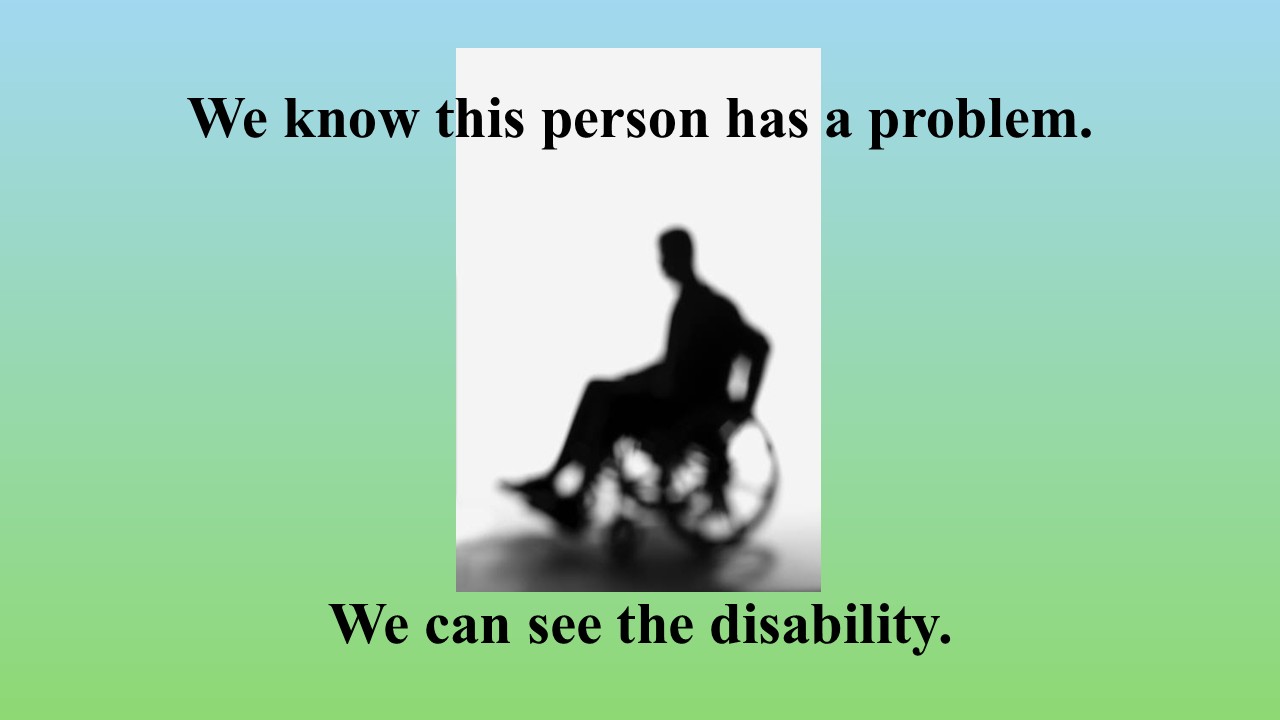
People with learning problems look normal, so their needs often get overlooked. Parents and teachers need to be able to identify learning disabilities and apply solutions for more successful learning.
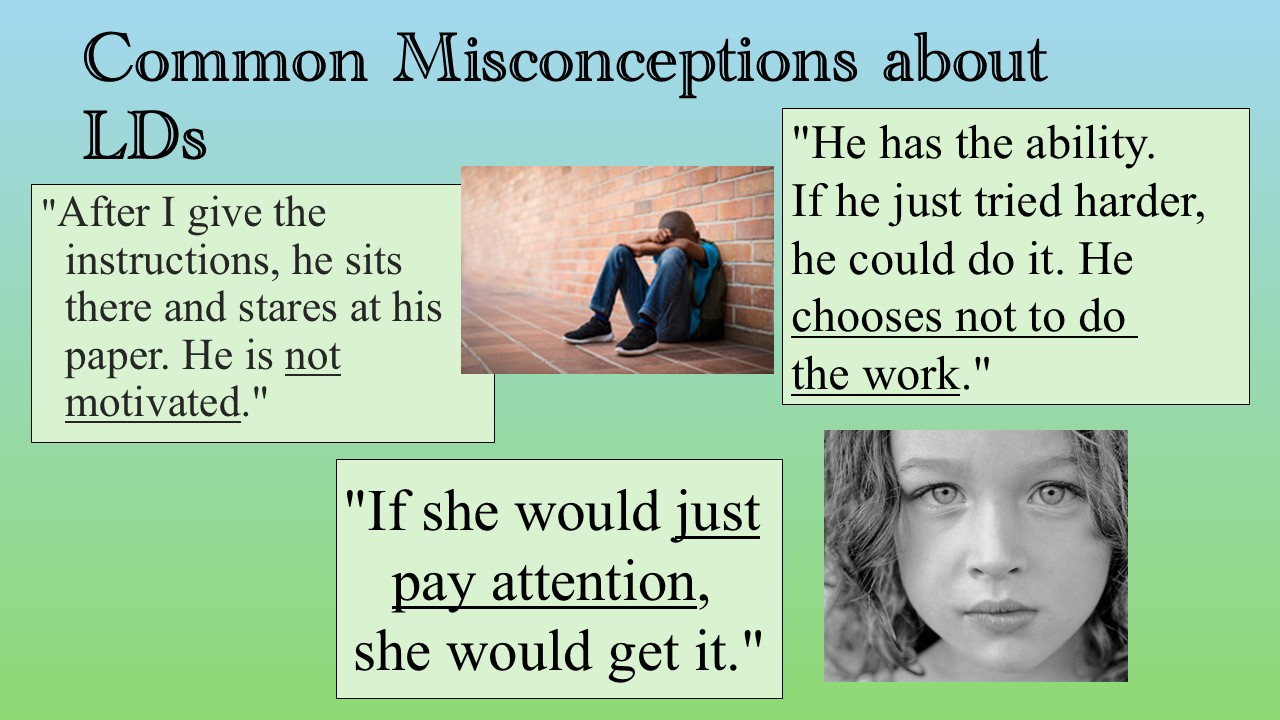
There are common misconceptions about students with learning difficulties that stigmatise them and hold them back from learning.
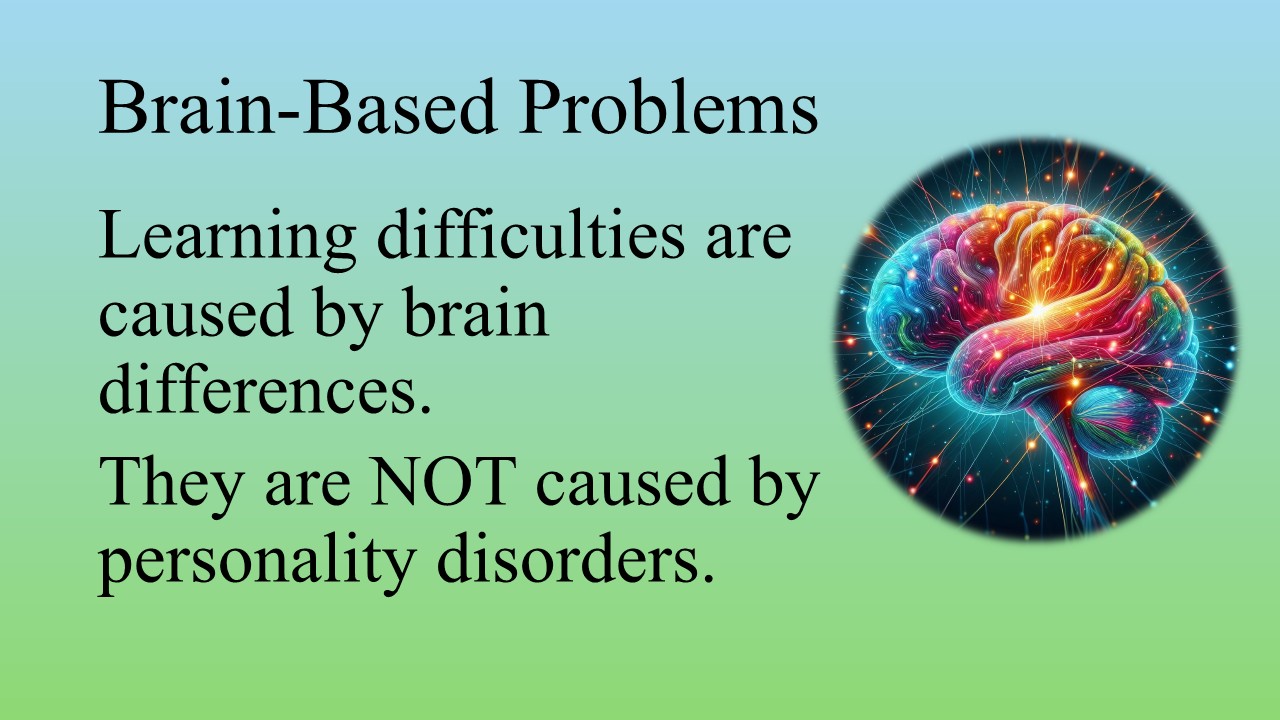
Learning Disabilities are brain-based, neurological issues that create problems. They often do not show up until the child is school age, although autism spectrum disorders or visual and auditory problems can be noticed much earlier.
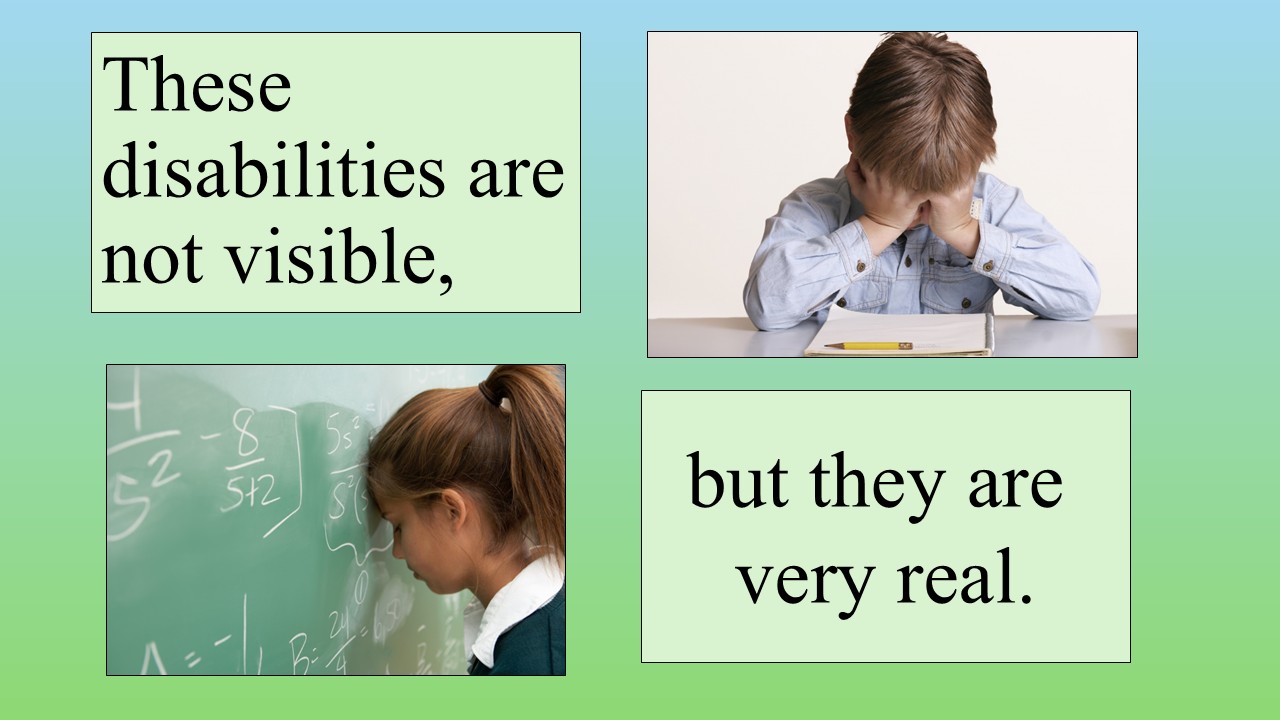
Most learning problems cannot be detected until there is a problem learning. Physical problems are obvious, but those with LDs are often suffering in silence, their problems invisible to those who could help.
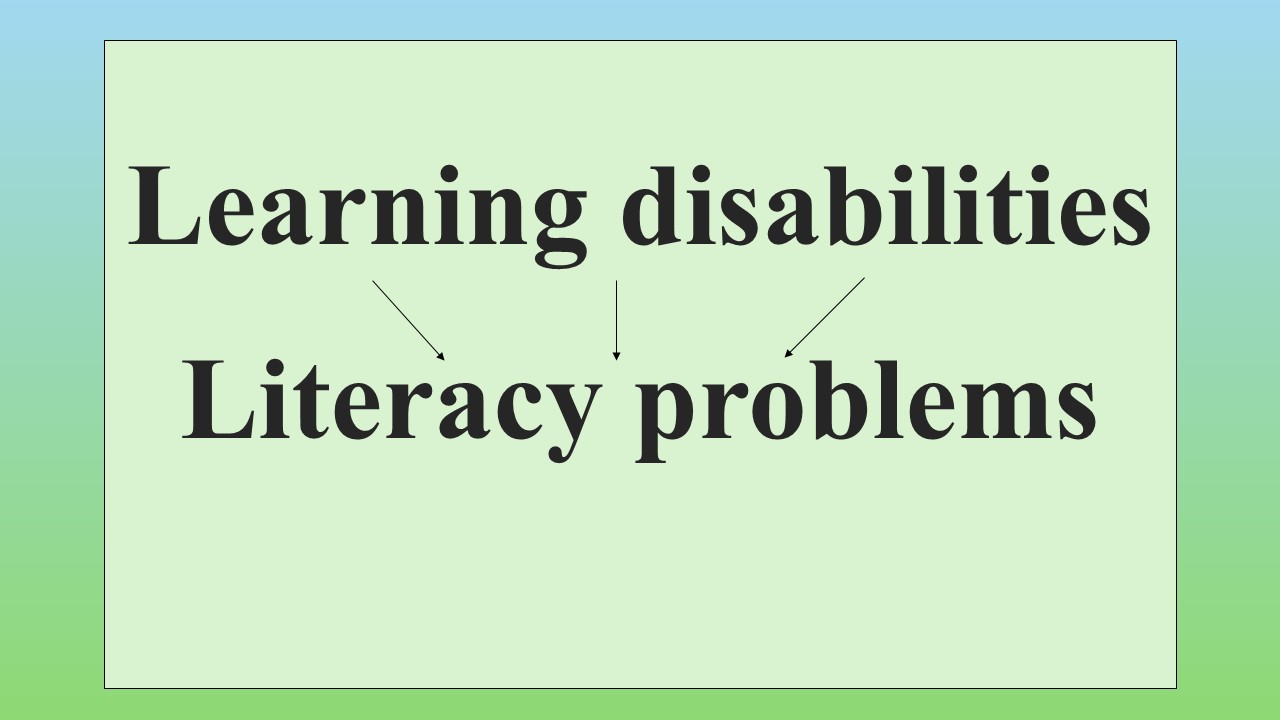
It is important to address LDs because learning disabilities will become literacy problems. Reading, writing, and calculating mathmatically all relate to literacy.
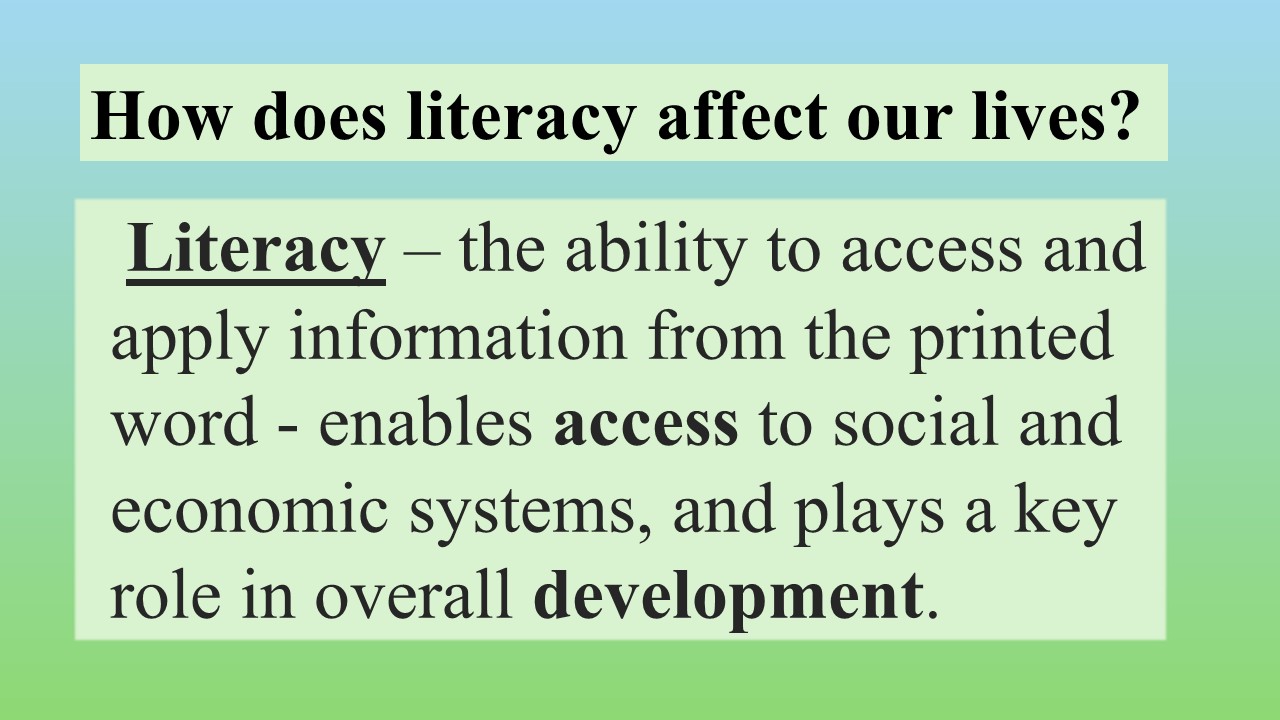
Being literate allows people to participate in citizenship, social groups, the economy, and increased learning. Literacy affects all areas of life.

Lower literacy rates affect the whole of society. Each individual with a learning disability must work harder to maintain a job, a family, and a home.

The number of non-readers in classrooms today is as high as 50%, and these people will struggle all their lives to read. This is serious issue and needs attention.
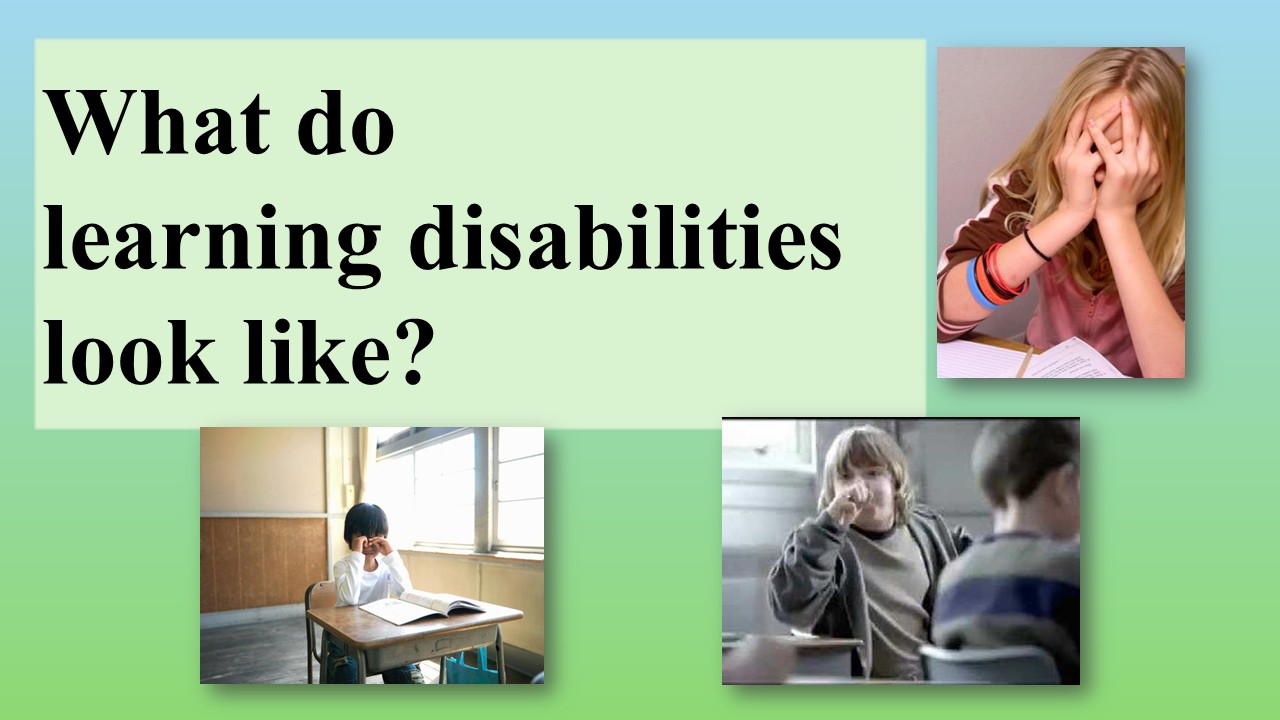
Teachers are provided with training on LDs, but the business of classrooms does not provide time to adequately deal with a true learning problem. So how can someone tell there is an LD?
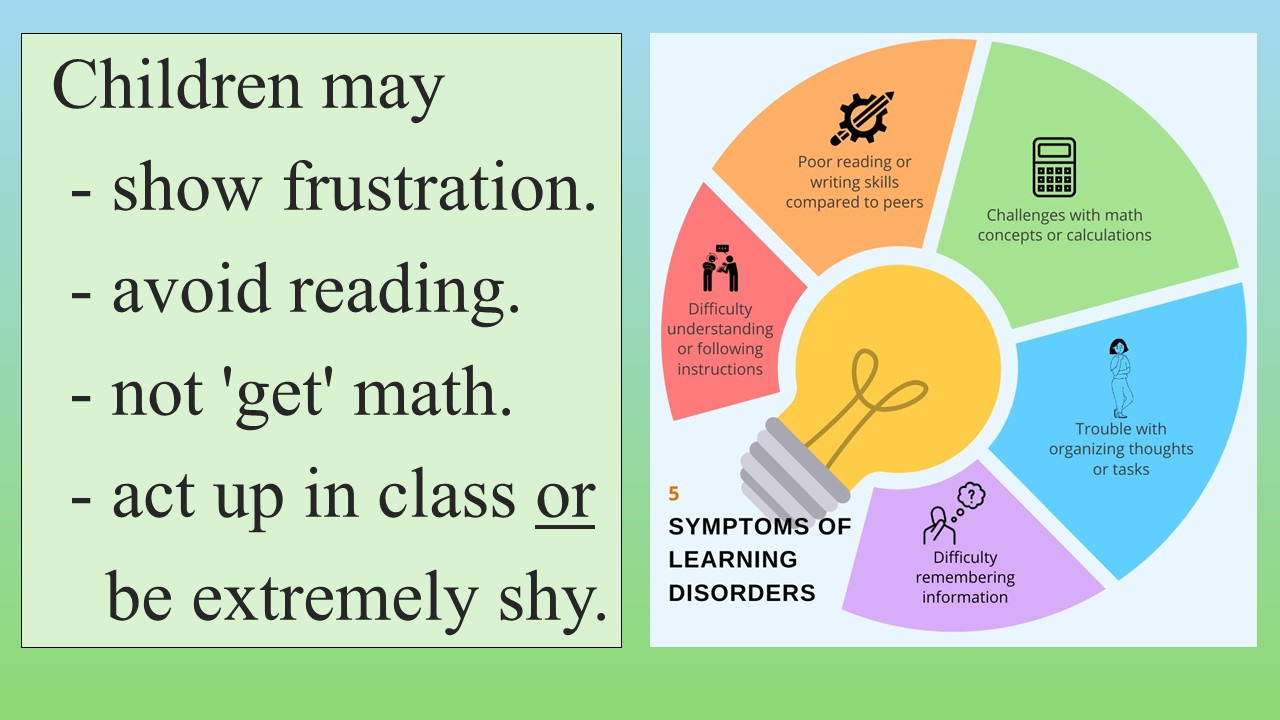
The symptoms of learning difficulties are notoriously difficult to separate from normal childish behaviour. Each child is unique and it takes time and patience to spot real problems with learning.
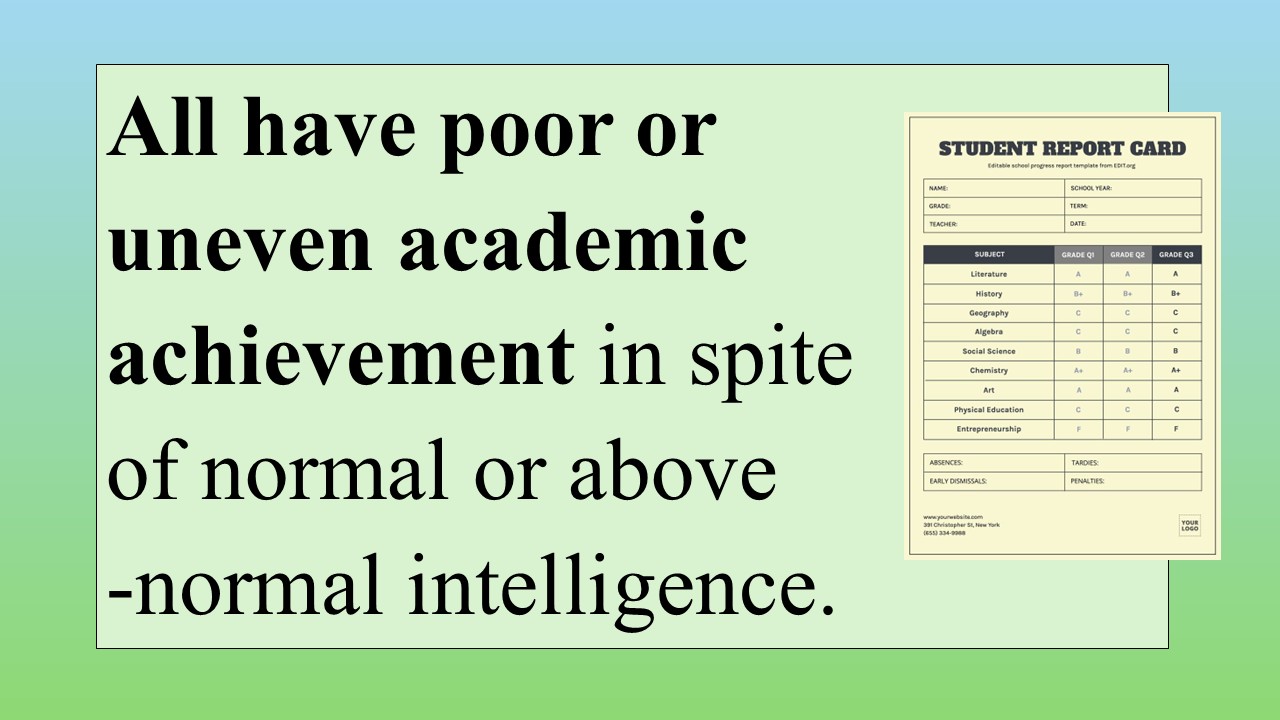
Often the struggling child is bright-eyed and intelligent, masking the difficulty he or she is having with learning.
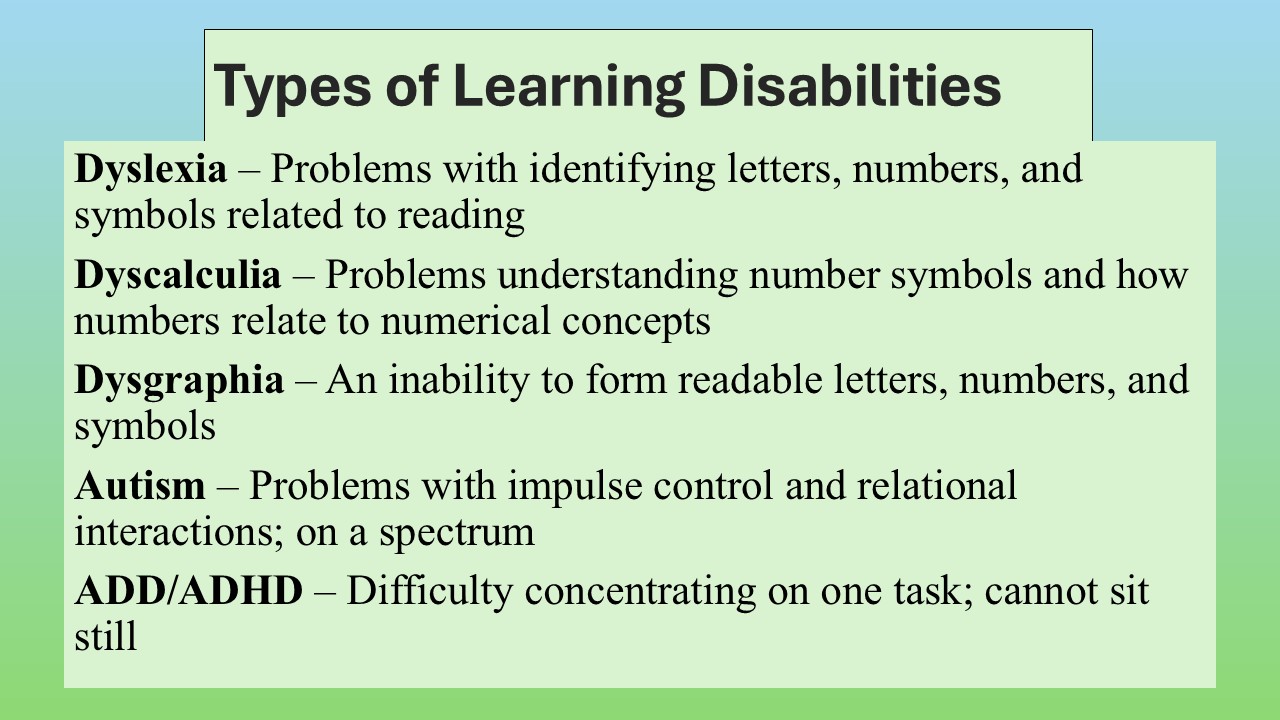
These are some of the most common learning disabilites, and they seem to share many of the same symptoms. Only testing can provide a true diagnosis.
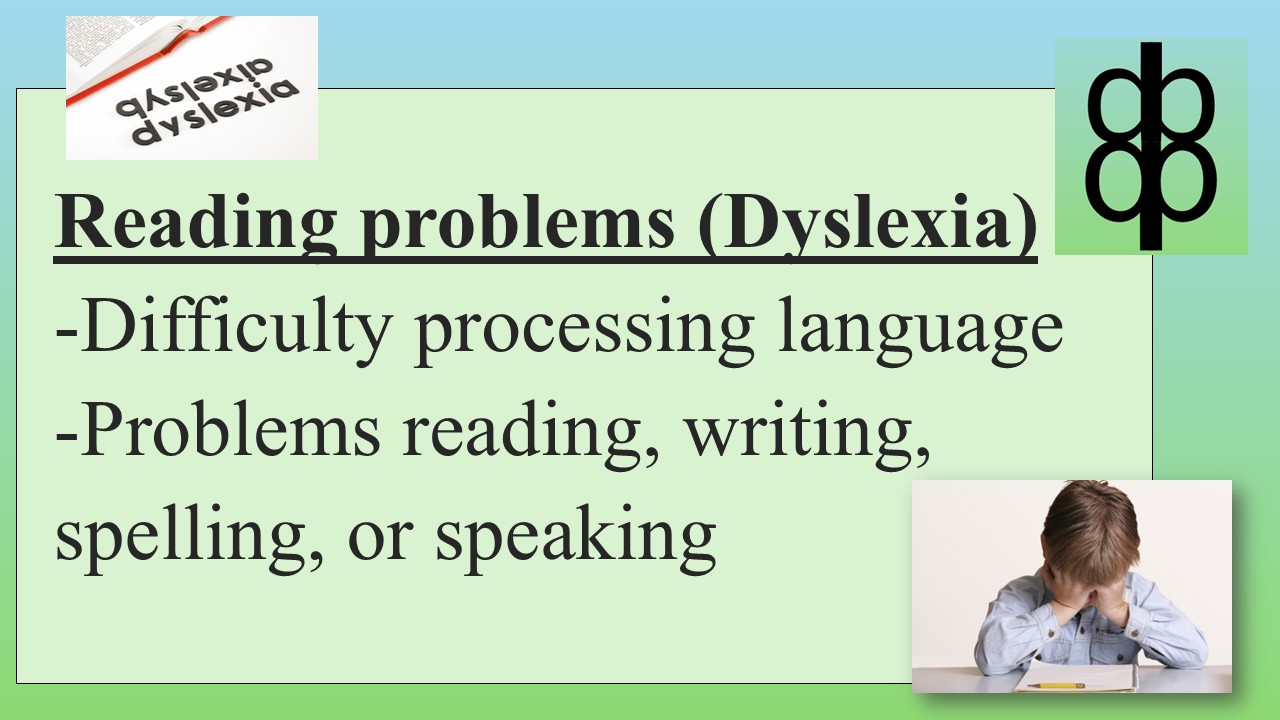
Dyslexia appears to be the most recognizable LD, as about 20% of children are affected. People with dyslexia “see” things differently, so symbols like letters and numbers get confused. For example, the letters b, d, p, and q are often visually interchangeable for someone with dyslexia.
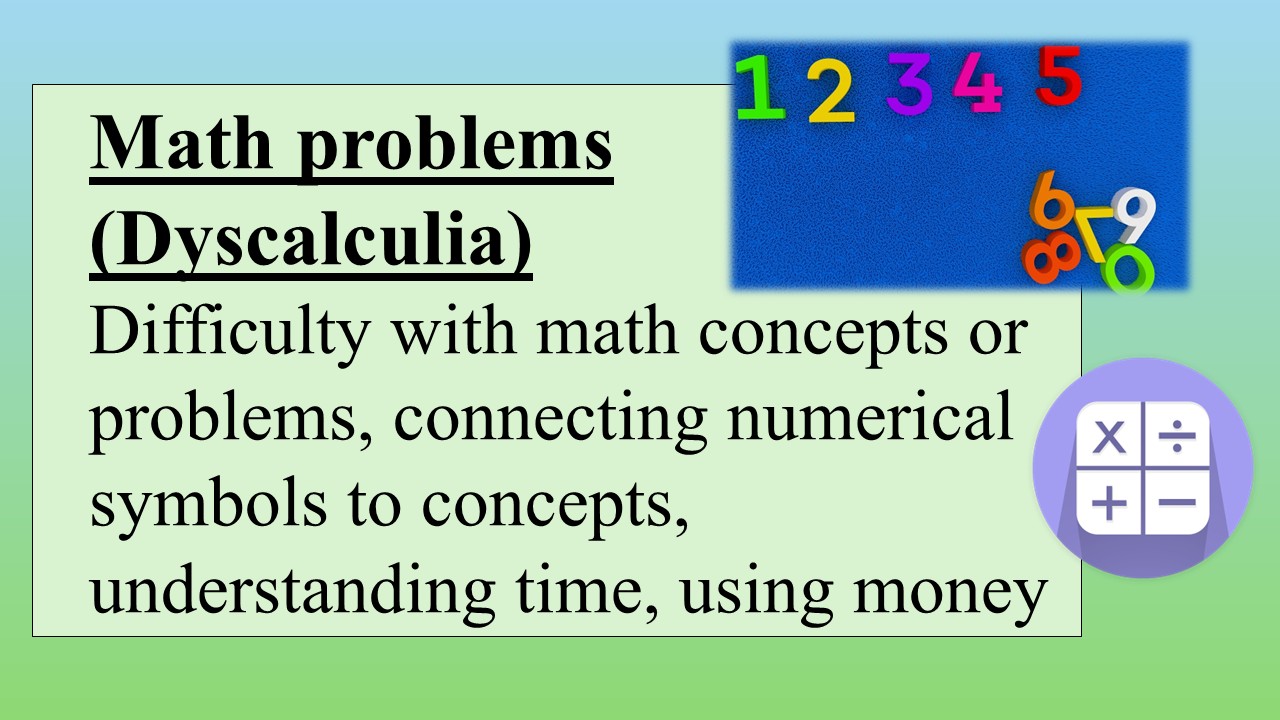
Dyscalculia is often undiagnosed, as many students struggle with math. The telling issue is usually an inabiltiy to correlate symbols to concepts.
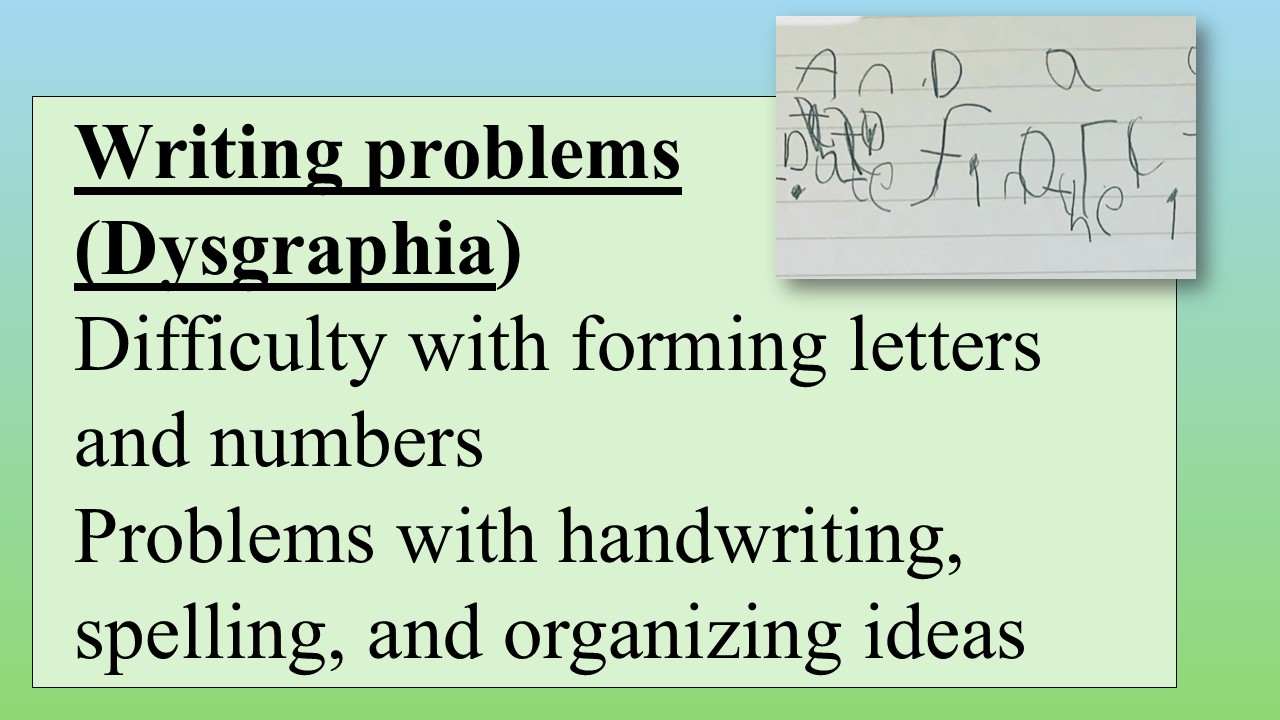
Forming letters and numbers well requires fine motor skills and practice. The effort can easily be too much for someone with dysgraphia to form words and sentences. A person with dysgraphia needs to learn muscle coordination specifically to be able to hold a pencil well and control the fine muscles of the hand.
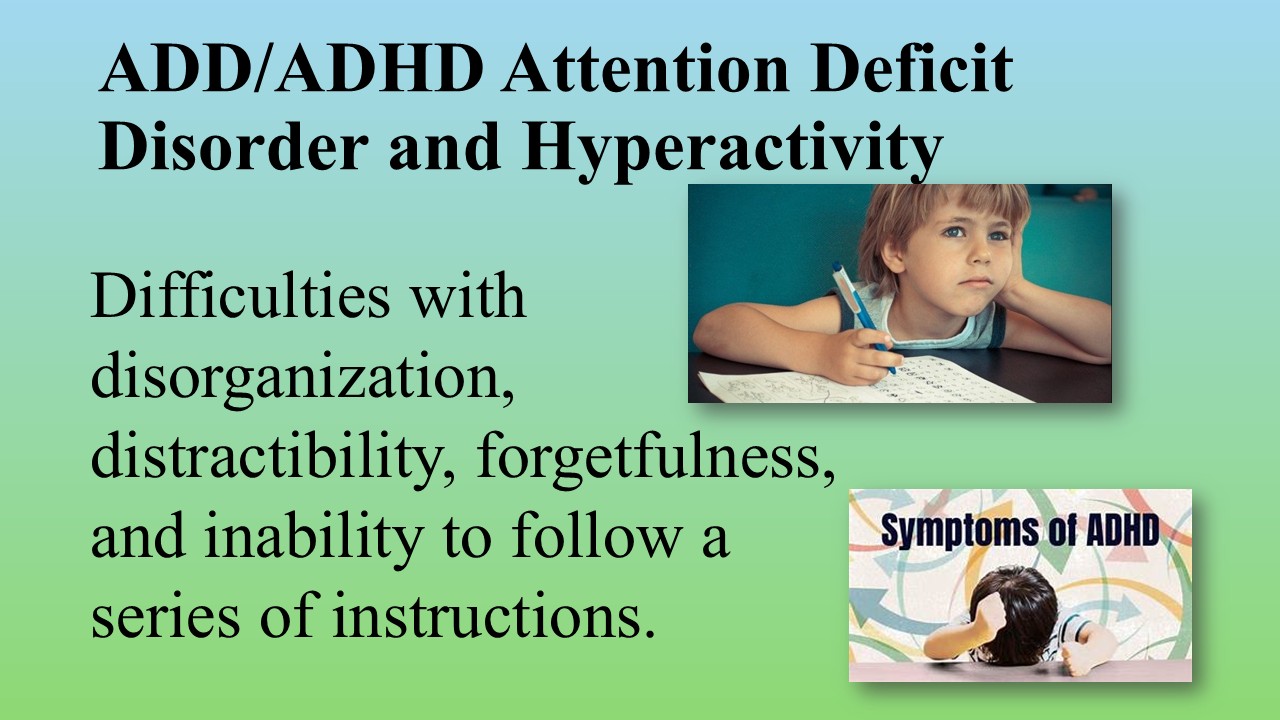
The incidence of ADD and ADHD has been rising, particularly among boys. No one is yet able to say why. As the name indicates, it is an inability to focus, often accompanied by difficulty staying still.
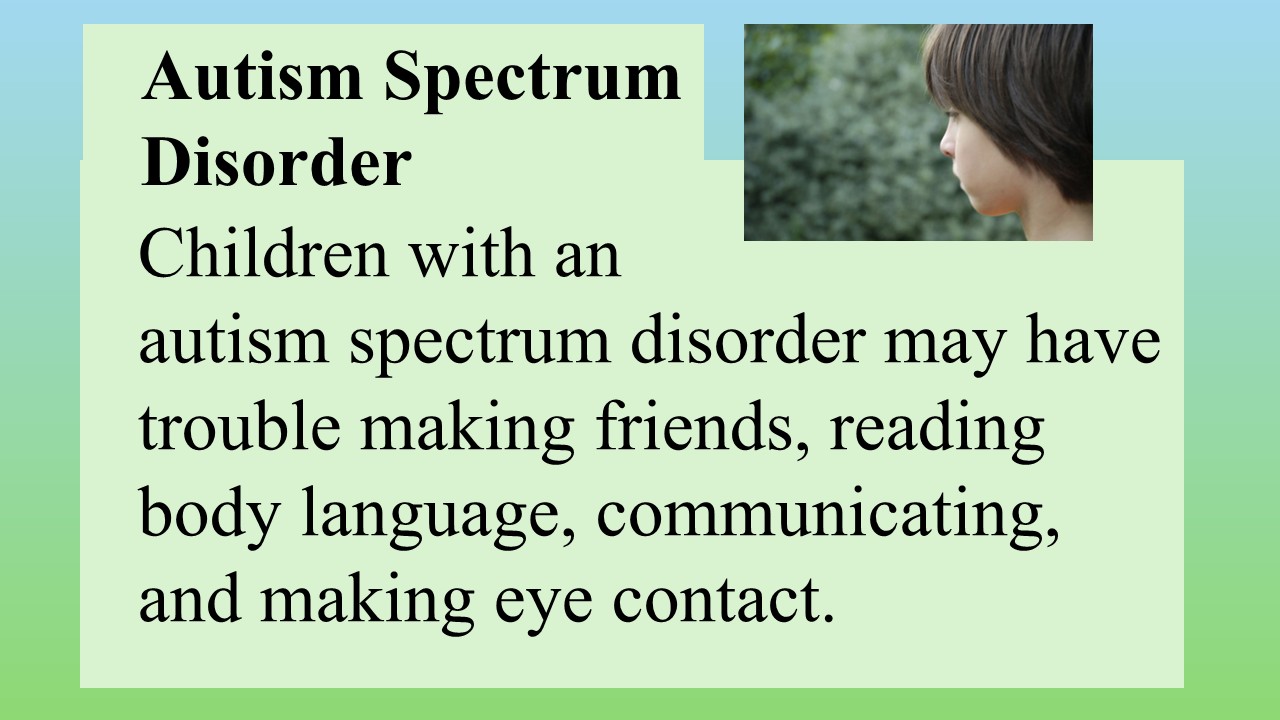
Autism, once a very specific diagnosis for non-verbal children, has now expanded to a spectrum of symptoms characterized by poor socialisation. Those affected are usually intelligent and creative.
There are other problems that can make learning difficult and fall under the disability label.
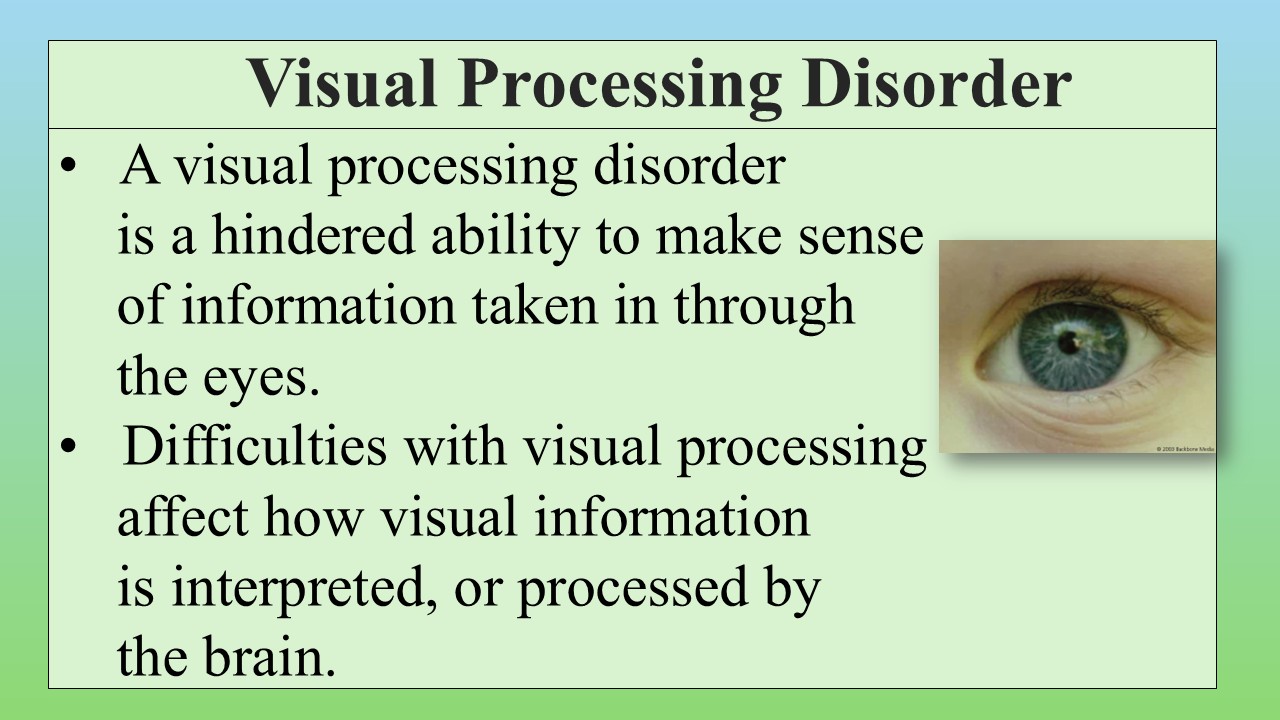
Visual processing happens in the brain. Images can be distorted within the brain’s vision centre so objects or spatial relationships are misinterpreted. VPD is similar to a symptom of dyslexia or dyscalculia, and can lead to clumsiness or fine motor problems.
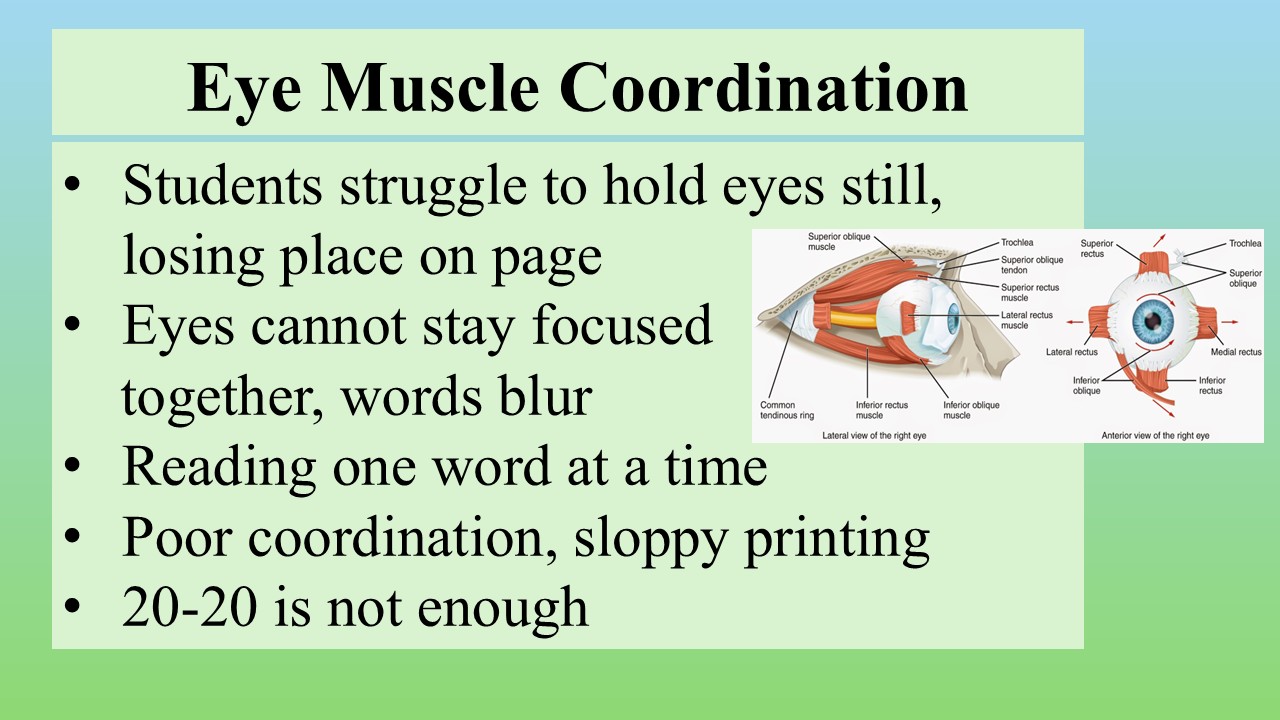
Sometimes the muscles arund the eyes are not coordinating properly. Both eyes are trying to pull in different directions, causing eye strain, blurriness, and fatigue when trying to read. Specific exercises designed to strengthen the muscles is the solution.
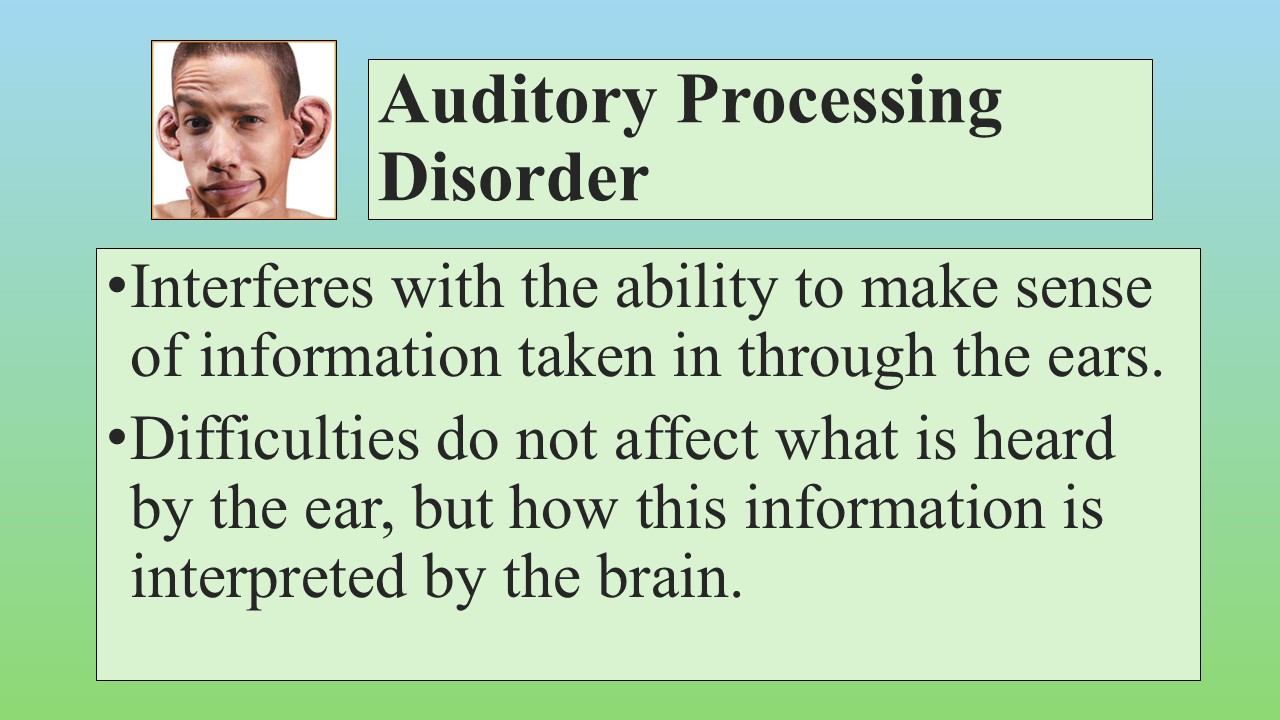
Similar to visual processing, auditory processing takes place in the brain where the sounds taken in are interpreted. It is a neurological problem so the person cannot understand or respond to audible stimuli. Sometimes APD is diagnosed as ADD because the child does not seem to be paying attention.
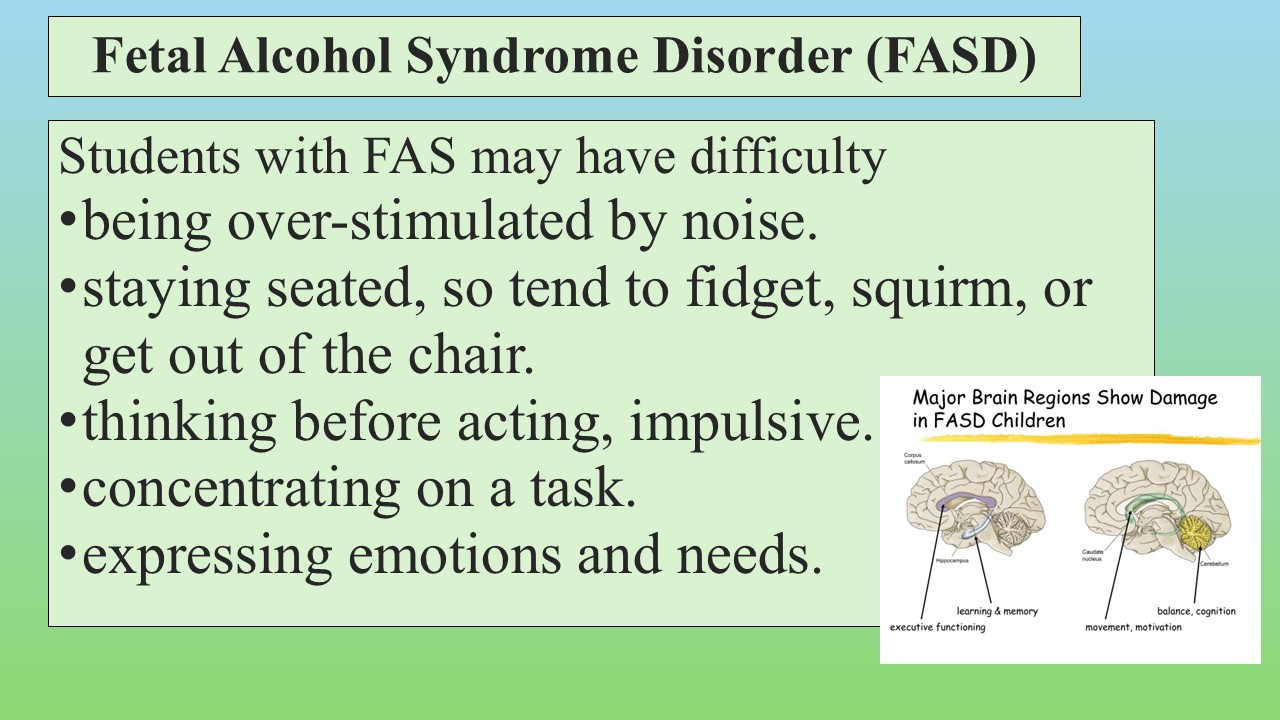
Fetal Alcohol Syndrome is a problem caused in the brain by the mother’s consumption of alcohol before baby’s birth. The alcohol damages a specific part of the brain responsible for impulse and motor control. Because there is no known threshold for the quantity of alcohol causing damage, all pregnant women are advised to avoid it altogether.
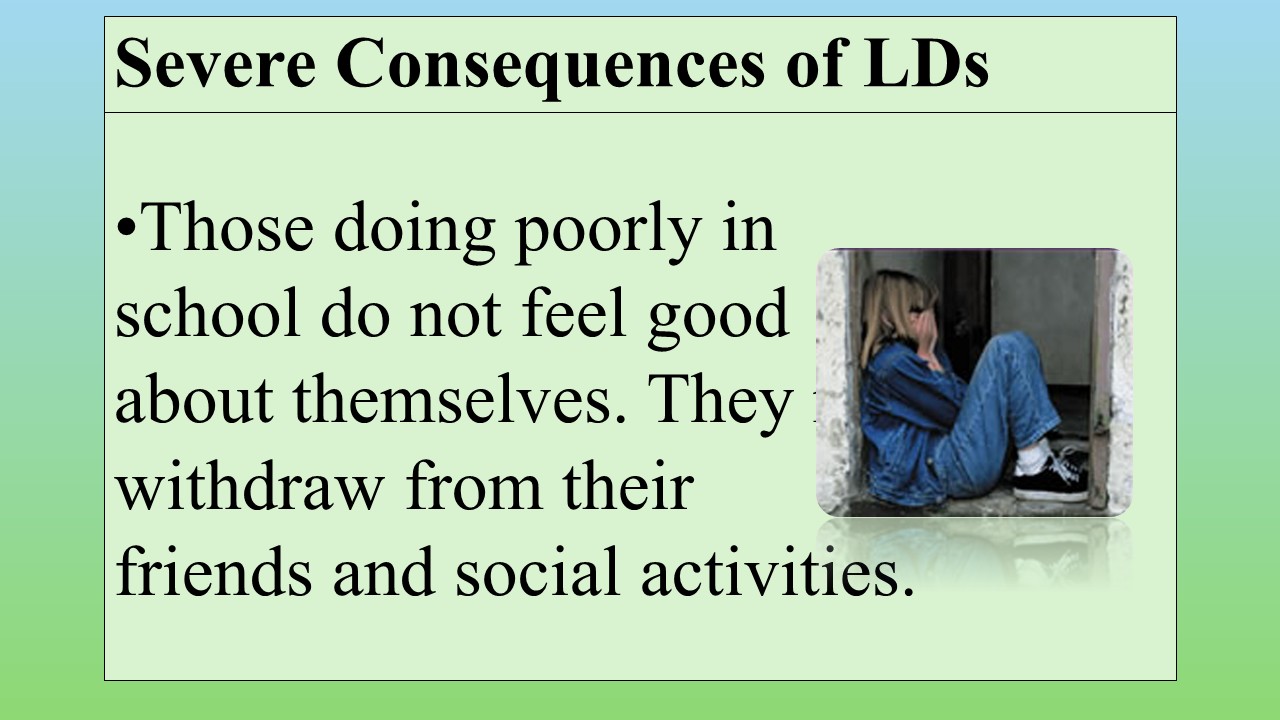
Sadly, children with LDs are often treated poorly and bullied at school. Many teachers and administrators do not understand the consequences of LDs and fail to provide the support needed. This creates a social anxiety in them and a desire to just get away from how awful they feel at school.
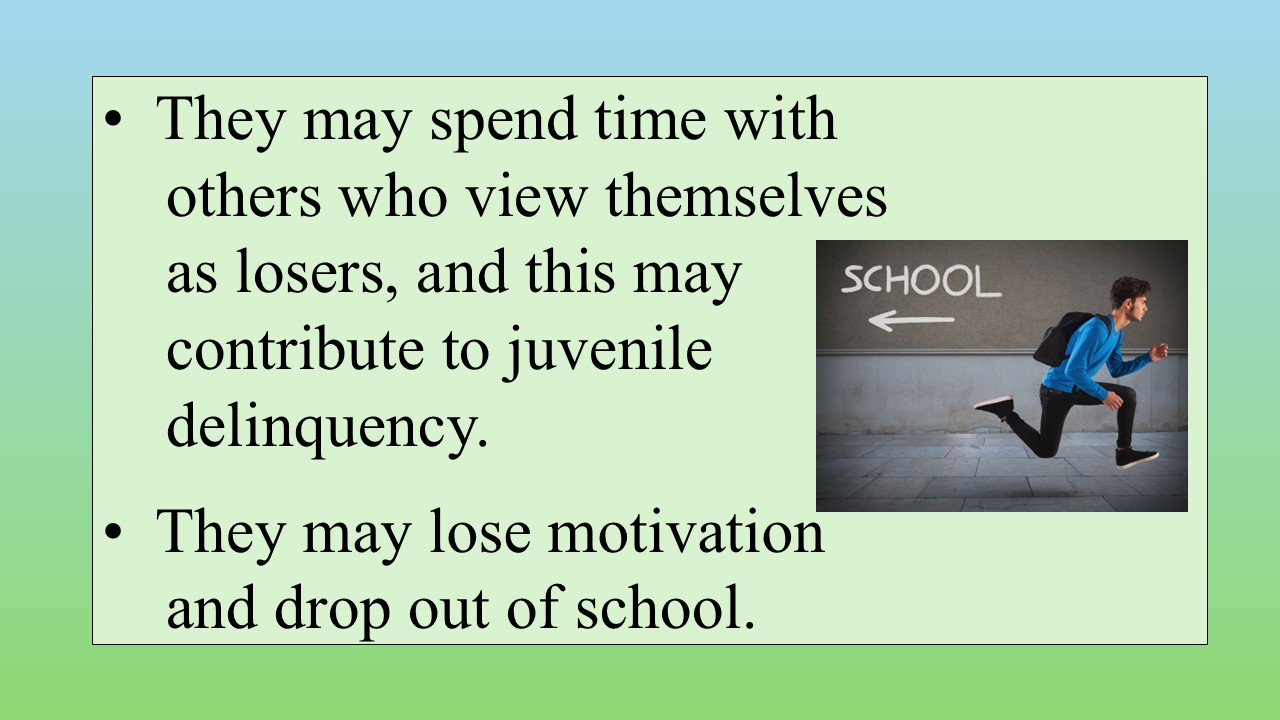
The dropout rate for those with LDs is very high. Consistent frustration trying to learn and failing eventually discourages them from going to school at all. They tell themselves they are “just stupid” and find other friends and things to do that do not make them feel bad.
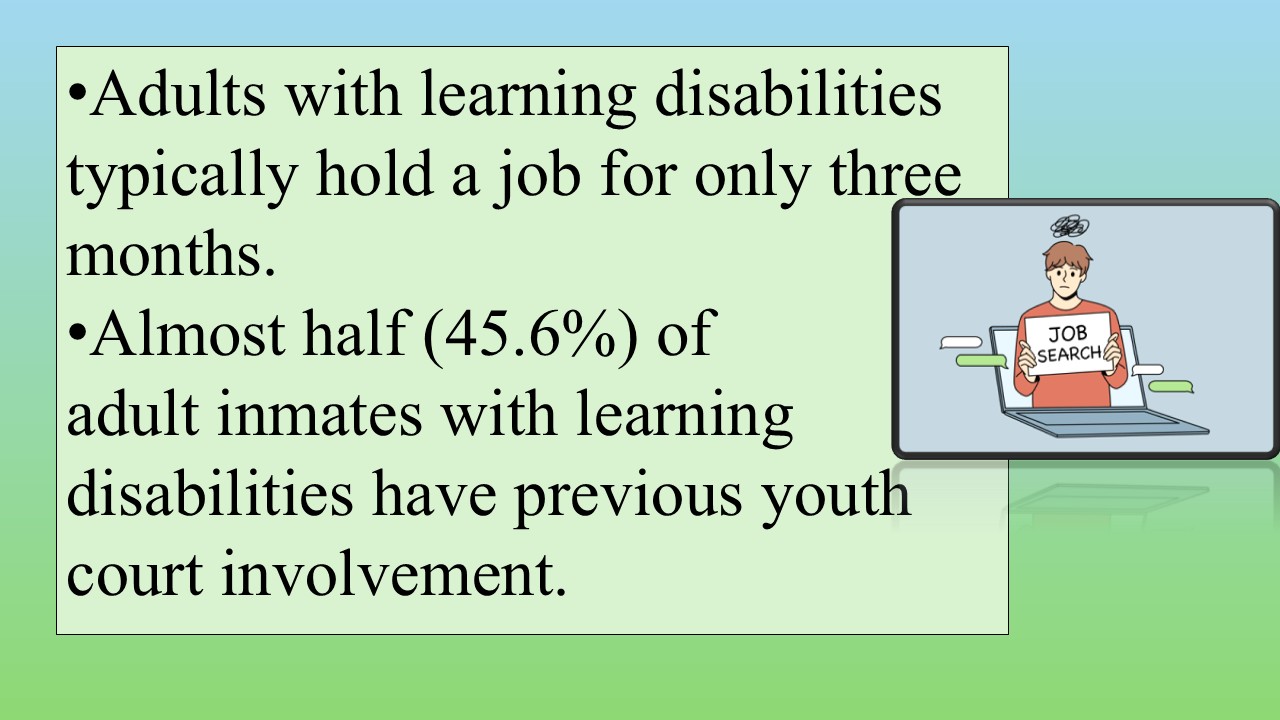
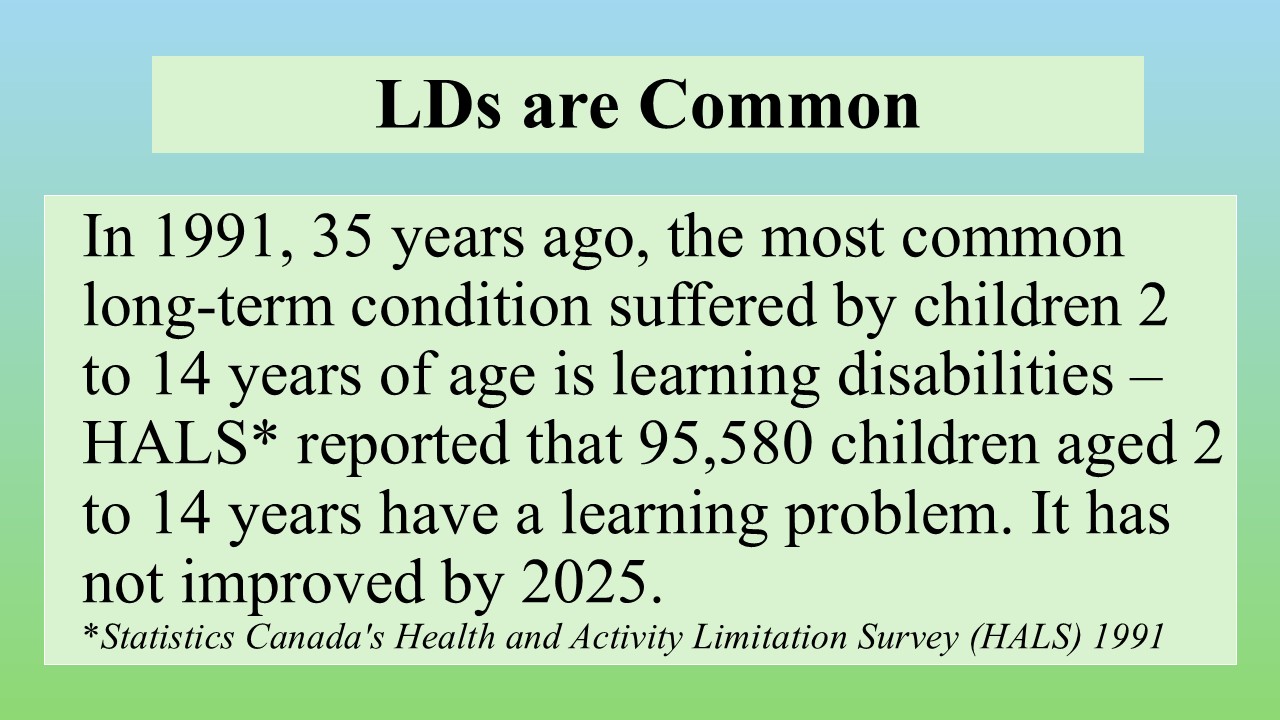
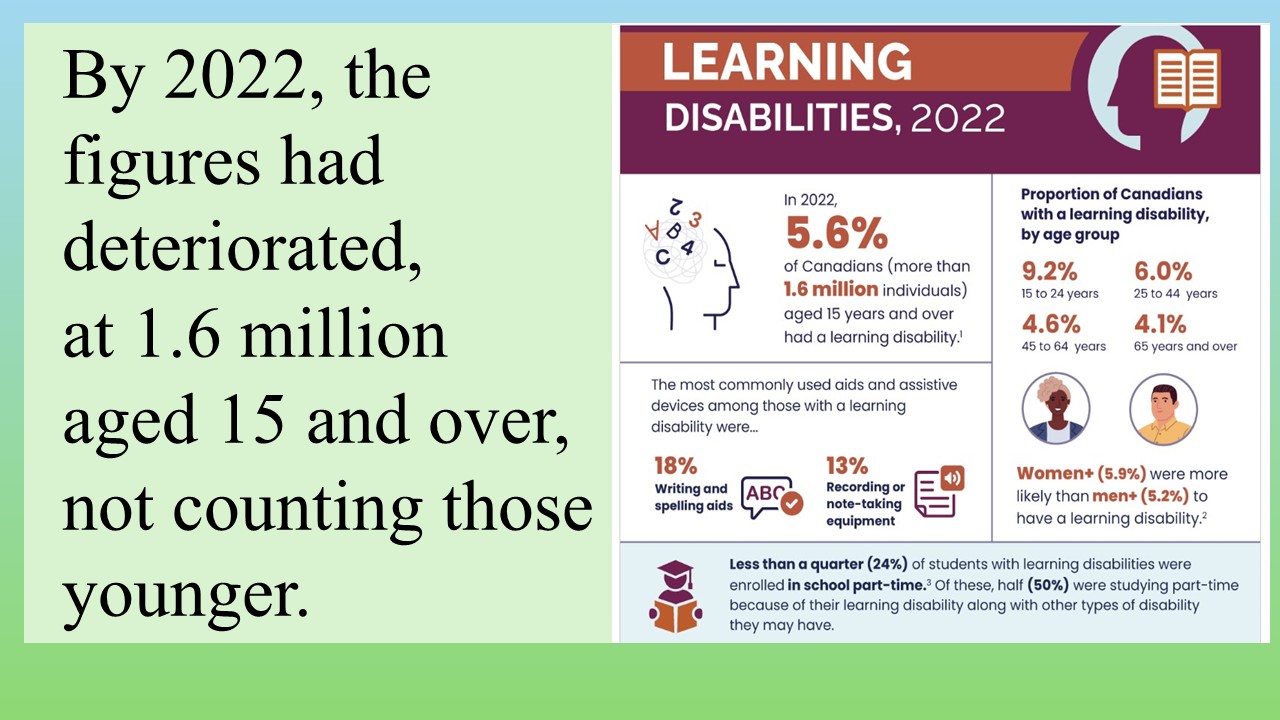
Learning problems can create lifelong issues if not diagnosed and treated. Children with LDs become adults with LDs, and they may struggle to do daily life.
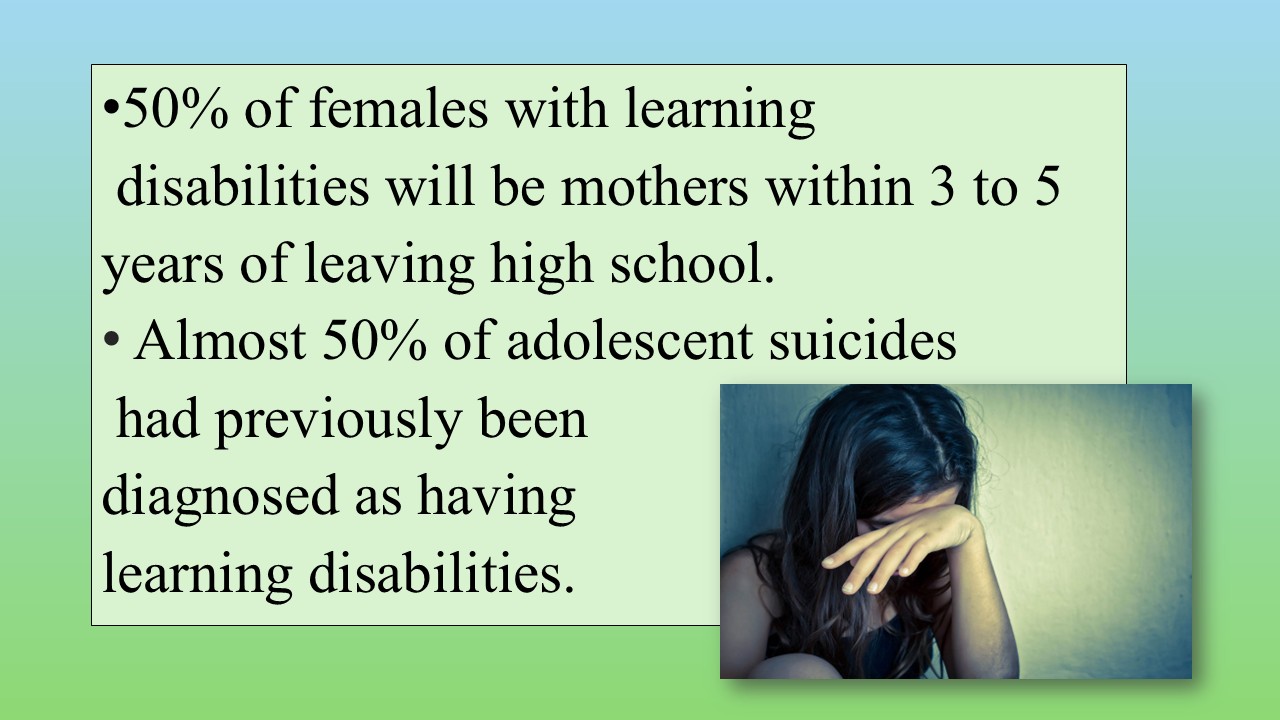
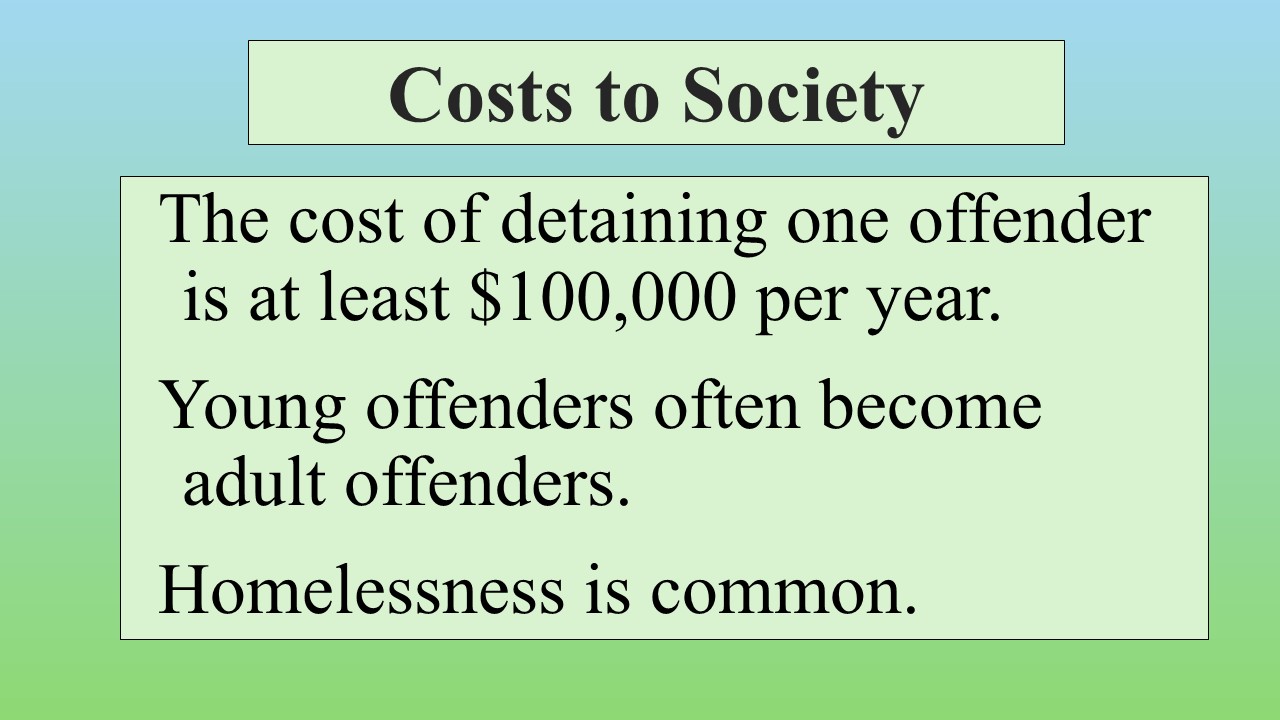
Studies show that difficulty learning has serious consequences for the sufferers and society.
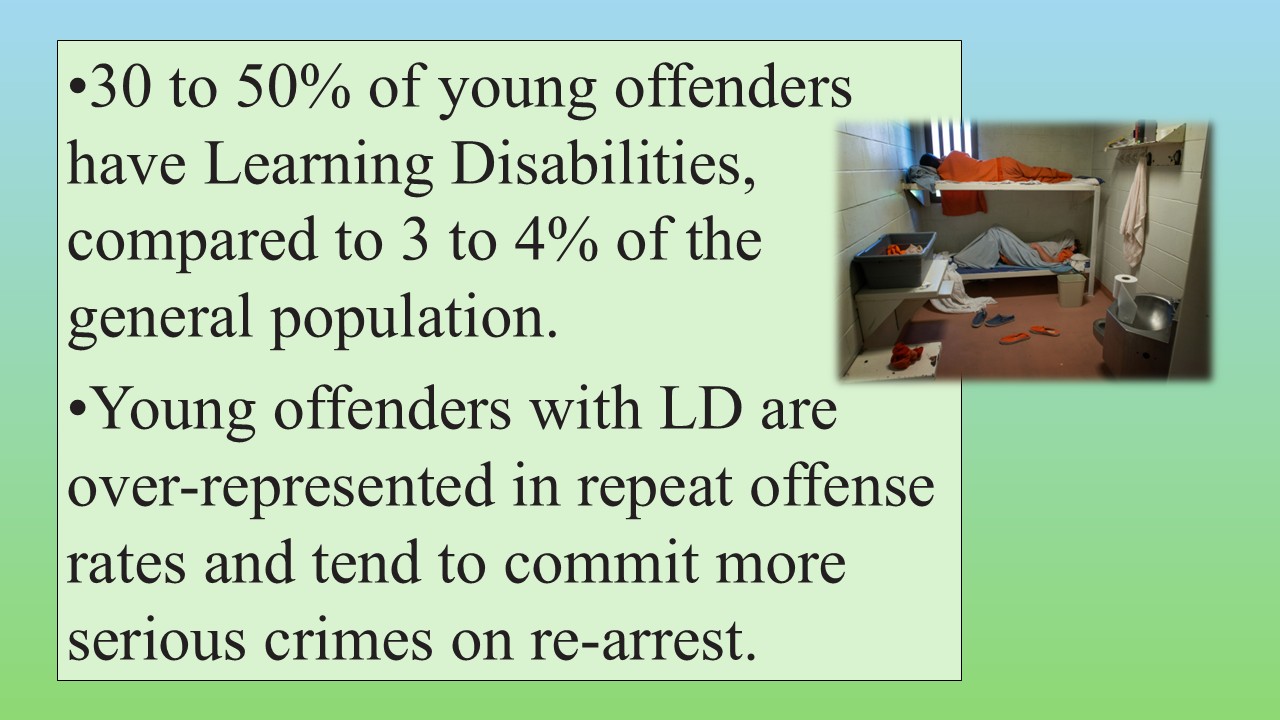
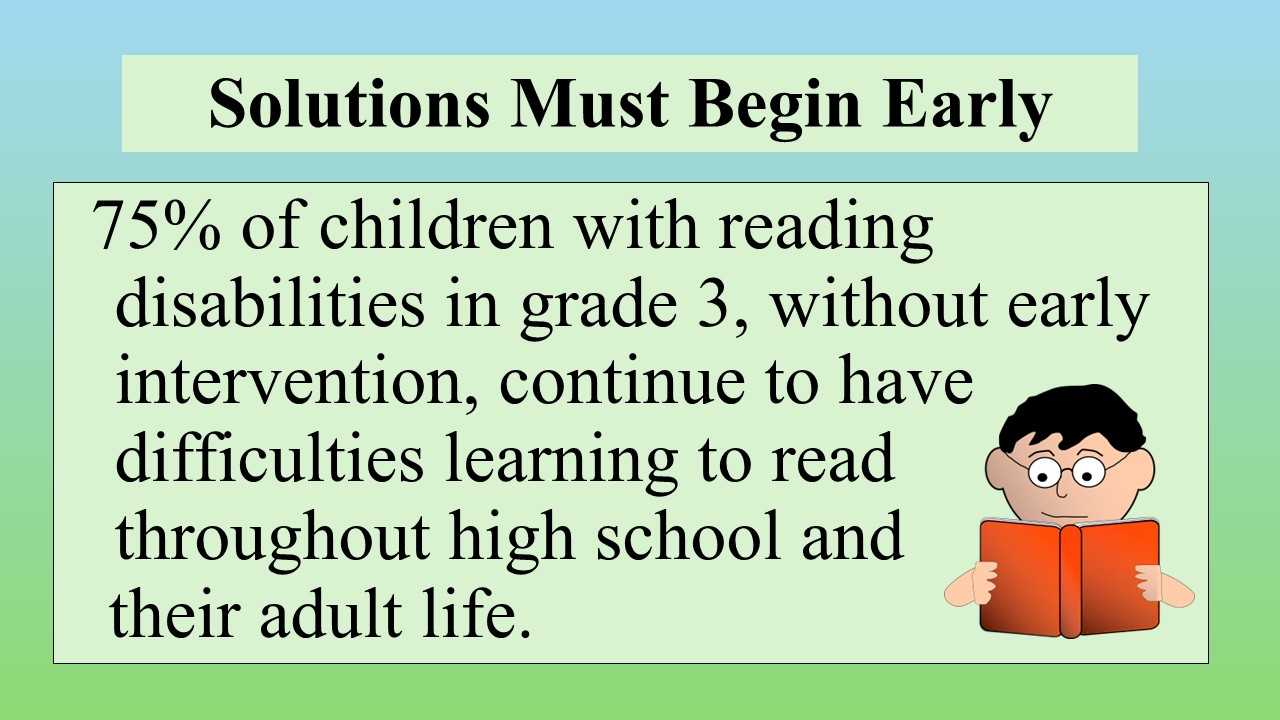
Most youth containment centres and prisons now provide help for inmates who struggle to learn. However, it would be better to prevent their ever getting to those places through early detection and diagnosis of LDs. The earlier help starts, the better the outcome.